


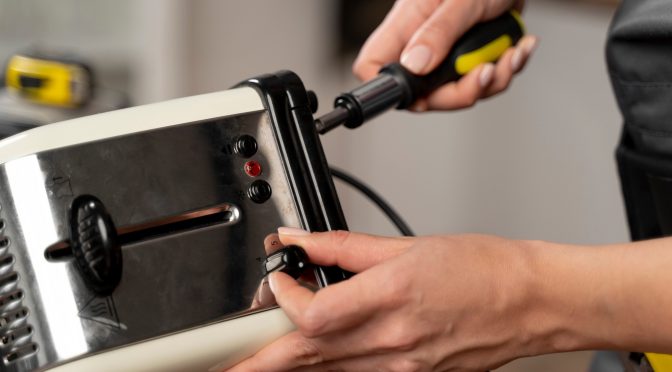
A washing machine that suddenly stops spinning, a fridge that struggles to stay cold or a dishwasher that leaves water behind can quickly disrupt your household routine. When an appliance develops a fault, booking a repair technician often seems like the next step.
However, not every appliance problem requires an immediate repair. Sometimes, checking the settings, cleaning an accessible filter or reviewing an error message can help you identify the issue.
Before arranging appliance repair in Wollongong, it is worth understanding what you can safely check, which problems require professional attention and whether repairing an older appliance makes financial sense.
Tech1 Repairs provides appliance repair services for washing machines, fridges, freezers, dishwashers, dryers, ovens and cooktops across Wollongong and surrounding areas.
This guide explains how to prepare for a repair appointment, recognise warning signs and make informed decisions about your household appliances.
Why Check Your Appliance Before Booking a Repair?
An appliance that stops working does not always have a serious mechanical or electrical fault.
For example, a washing machine may refuse to start because its door is not properly closed. A dishwasher might leave water behind because an accessible filter is blocked. A dryer may take longer to dry clothes when its lint filter needs cleaning.
Completing a few basic checks can help you:
- Identify problems caused by incorrect settings or routine maintenance.
- Explain the symptoms clearly when contacting a technician.
- Avoid unnecessary appointments for simple operating issues.
- Gather useful information for professional diagnosis.
- Understand whether an older appliance is worth repairing.
These checks should only involve normal user maintenance. Never remove electrical panels, dismantle internal components or attempt repairs that require specialist knowledge.
What to Check Before Booking Appliance Repairs in Wollongong?
Before contacting a repair service, review these common areas to understand what may be affecting your appliance.
1. Check the Power Supply and Settings
Start by checking whether the appliance is receiving power.
Look at the power point, display and operating controls. If the appliance has a removable plug and it is safe to access, make sure it is properly connected.
Some appliances have delay-start functions, child locks or settings that can prevent normal operation.
Check the manufacturer’s instructions if you are unsure about a particular function.
If an appliance repeatedly trips a circuit breaker or safety switch, stop using it. Do not repeatedly reset the circuit or attempt electrical repairs yourself.
2. Inspect Accessible Filters and Drainage Areas
Blocked filters and drainage areas can sometimes affect appliance performance.
For example, food debris may collect in a dishwasher filter, while lint can restrict airflow in a clothes dryer.
Some washing machines also have accessible filters that require periodic cleaning.
Before cleaning any component, follow the manufacturer’s instructions and ensure the appliance is safely switched off or disconnected where required.
Only remove parts designed for normal user maintenance. If the problem continues after cleaning, further diagnosis may be needed.
3. Look for Leaks or Visible Damage
Water leaks, damaged seals and worn hoses can provide useful information about an appliance’s condition.
Check accessible areas around washing machines, dishwashers and refrigerators for unexpected moisture.
Look for visible cracks, deterioration or loose door seals without moving heavy equipment or disconnecting internal connections.
A small leak should not be ignored because water can damage nearby flooring, cabinetry and electrical equipment.
If an appliance is actively leaking, stop using it and turn off the relevant water supply if this can be done safely.
4. Record Error Codes and Unusual Behaviour
Modern appliances often display error codes when something affects their operation.
These messages may relate to drainage, heating, sensors or another operating problem.
Write down the exact error code and check the manufacturer’s manual for its meaning.
Also note whether the appliance makes unusual noises, stops during a particular cycle or displays the warning repeatedly.
These details can help a technician investigate the problem more efficiently.
5. Check Whether the Problem Keeps Returning
An occasional operating issue does not always indicate a major fault.
An unbalanced washing machine load or incorrectly loaded dishwasher may produce an unexpected result.
However, problems that occur repeatedly deserve attention.
If the appliance continues stopping, leaking, overheating or displaying the same error, professional diagnosis may be necessary.
Common Appliance Problems and What You Can Safely Check
Different household appliances require different checks. Understanding these differences can help you explain the problem when booking a repair.
Washing Machines
Common washing machine problems include poor drainage, excessive vibration, water leaks and spin cycles that fail to complete.
Before booking a repair, check whether the load is balanced, the door is properly closed and the correct program is selected.
If your machine has an accessible filter, inspect it according to the manufacturer’s instructions.
Persistent drainage problems, unusual noises or repeated cycle failures may indicate an internal fault.
Tech1 Repairs provides washing machine repairs in Wollongong for appliances experiencing drainage, spinning and other operating problems.
Fridges and Freezers
A fridge that fails to maintain the correct temperature can affect food storage and increase the risk of spoilage.
Start by checking the temperature settings, door seals and whether items are preventing the door from closing properly.
Keep ventilation areas clear according to the manufacturer’s requirements.
If the appliance continues running without cooling effectively, professional inspection may be necessary.
Avoid attempting to repair refrigeration components yourself.
For persistent cooling problems, Tech1 Repairs offers fridge and freezer repairs in Wollongong to help identify faults affecting refrigeration performance.
Dishwashers
If a dishwasher leaves dishes dirty, fails to drain or stops during a wash cycle, start with the accessible filter and loading arrangement.
Check that dishes are not blocking the spray arms and that the selected program is appropriate.
If water remains inside the appliance or the same problem occurs repeatedly, the cause may involve a pump, drainage component or another internal fault.
Professional dishwasher repairs in Wollongong can help determine why the appliance is not operating correctly.
Clothes Dryers
Dryers need appropriate airflow to operate effectively.
A blocked lint filter can reduce drying performance and contribute to overheating.
Clean the filter according to the manufacturer’s instructions and avoid overloading the drum.
If the dryer stops producing heat, repeatedly shuts down or makes unusual noises, further inspection may be required.
Stop using the appliance immediately if you notice smoke, burning smells or signs of overheating.
Ovens and Cooktops
Ovens and cooktops can develop problems involving heating elements, temperature controls and electronic components.
Before arranging a repair, check the selected cooking mode and temperature settings.
If the appliance heats unevenly, stops working or repeatedly trips the power, avoid attempting internal repairs.
Electrical and gas-related faults require appropriately qualified professionals.
Repair or Replace? A Simple Checklist for Ageing Appliances in Wollongong Homes
When an older appliance develops a fault, homeowners often face an important decision: should they repair the existing appliance or purchase a replacement?
The answer depends on several factors, including age, condition, repair history and cost.
Consider the Appliance’s Age and Condition
The expected appliance lifespan in Wollongong homes varies depending on the appliance type, usage, maintenance and manufacturer.
An older appliance may still be worth repairing if it has been reliable and only one component needs attention.
However, repeated breakdowns or significant deterioration may make replacement more practical.
Compare Repair and Replacement Costs
A cost comparison of repair versus new appliance options should include more than the purchase price.
Consider repair labour, replacement parts, delivery, installation and removal costs.
A replacement appliance may also offer improved energy or water efficiency, depending on the model.
Comparing actual repair quotes with suitable replacement options can help you make a realistic decision.
A Simple Repair-or-Replace Checklist
Ask yourself:
- Is the appliance otherwise working well?
- Has it needed several repairs recently?
- Are replacement parts readily available?
- Is the repair quote reasonable compared with replacement?
- Does the appliance still meet your household’s needs?
- Would a newer model offer worthwhile efficiency improvements?
For anyone deciding whether to repair or replace an appliance in Wollongong, a professional assessment can help identify the actual fault before making a final decision.
What Information Should You Prepare Before Booking?
Providing accurate information can make the initial repair assessment more useful.
You do not need technical knowledge. Simply describe what the appliance is doing differently.
| Information | Why It Matters |
|---|---|
| Appliance type | Identifies the service required |
| Brand and model | Helps identify the appliance and compatible parts |
| Approximate age | Provides context about its condition |
| Fault description | Explains the operating problem |
| Error codes | May help narrow down possible causes |
| Previous repairs | Identifies recurring problems |
| Warranty details | Helps determine possible service coverage |
Model information is often available on an accessible product label or in the appliance documentation.
Avoid moving heavy appliances or removing fixed panels to locate it.
If possible, keep photographs of error codes, purchase receipts and previous repair records available.
Understanding Warranty and Out-of-Warranty Repairs
Before arranging a paid repair, check whether your appliance is covered by a manufacturer’s warranty.
Warranty conditions can depend on the manufacturer, appliance type, purchase date and nature of the fault.
In Australia, consumer guarantees under Australian Consumer Law may also apply beyond the manufacturer’s stated warranty period.
Your rights depend on the circumstances, including the nature of the problem and what a reasonable consumer would expect from the product.
If you believe a consumer guarantee applies, contact the retailer or manufacturer to discuss the available remedies.
Tech1 Repairs provides warranty and out-of-warranty repair services for a range of household appliances. Confirm the applicable service arrangements before booking.
Questions to Ask Before Confirming a Repair Appointment
Once you have completed the basic checks, asking a few practical questions can help you understand the repair process.
Are there inspection or call-out fees?
Ask whether an initial assessment carries a charge and if that amount is separate from the repair cost.
Will I receive a quote before work begins?
A clear quote helps you compare repair costs against replacement options.
What happens if replacement parts are needed?
Some repairs depend on component availability and may require another appointment.
Is there a warranty on the completed repair?
Ask about any warranty covering the workmanship or replacement parts.
How should I prepare the appliance?
Find out whether it needs to be emptied, disconnected or otherwise prepared before the technician arrives.
Clear communication helps avoid misunderstandings and makes it easier to approve work confidently.
How to Prepare Your Home for an Appliance Repair Visit?
A little preparation can make the appointment easier for everyone.
Start by clearing items around the affected appliance so the technician can access it safely.
Keep your appliance details, error codes and previous repair information nearby.
If the appliance is leaking or has an electrical fault, stop using it and follow appropriate safety precautions.
Do not dismantle components or move heavy appliances before the appointment unless the service provider specifically advises you to do so and it is safe.
Make sure someone authorised to discuss the repair and approve any required work is available during the visit.
These simple steps can help the technician assess the problem without unnecessary delays.
When Should You Stop Troubleshooting and Call a Professional?
Basic maintenance checks can resolve some operating problems, but they cannot replace professional diagnosis.
Arrange an appropriate inspection when you notice:
- Persistent leaks or drainage failures.
- Repeated electrical trips.
- Burning smells, smoke or overheating.
- Unusual grinding or mechanical noises.
- Repeated error messages.
- Fridges or freezers failing to maintain safe temperatures.
- Appliances repeatedly stopping during normal operation.
Do not continue using an appliance that may present an electrical, fire or serious water-damage risk.
If basic checks do not resolve the problem, Tech1 Repairs provides appliance repairs in Wollongong and surrounding areas, including Fairy Meadow, Figtree, Mangerton and Coniston.
Professional diagnosis can help establish whether the appliance requires maintenance, a replacement component or a more extensive repair.
Frequently Asked Questions
1. What should I check before booking appliance repair in Wollongong?
Start by checking the power supply, appliance settings, accessible filters and error codes. Look for visible leaks or damage without removing internal parts. If the problem continues, arrange professional diagnosis.
2. Is it worth repairing an appliance that is over ten years old?
It depends on the appliance’s condition, repair cost and parts availability. Some older appliances remain economical to repair, while others may be approaching the end of their useful life. Comparing repair and replacement options is usually the best approach.
3. Can I troubleshoot a faulty appliance myself?
Basic checks and manufacturer-approved maintenance can be completed by homeowners. However, electrical, gas, refrigeration and internal mechanical repairs should be handled by appropriately qualified professionals.
4. How much does appliance repair cost in Wollongong?
Repair costs vary depending on the appliance type, fault, labour and replacement parts. Ask about diagnostic charges and request a quote before approving repair work.
5. Should I replace an appliance that keeps breaking down?
Frequent breakdowns can indicate ongoing wear or several developing faults. Consider the appliance’s age, previous repair expenses and current condition before deciding. A technician can help identify whether further repairs are practical.
6. Does Tech1 Repairs service appliances that are out of warranty?
Yes. Tech1 Repairs provides both warranty and out-of-warranty appliance repair services. The available options depend on the appliance, fault and applicable service arrangements.
Conclusion
When a household appliance stops working, taking a few minutes to check the basics can help you understand the problem before arranging a repair.
Review the settings, accessible filters, error codes and visible signs of damage. Keep useful information available so you can explain the symptoms clearly to a technician.
For ageing appliances, compare the likely repair cost with replacement options rather than assuming that an older appliance needs replacing.
Most importantly, avoid attempting repairs involving internal electrical, gas, heating or mechanical components. These problems require appropriate professional attention.
For homeowners needing appliance repair in Wollongong, Tech1 Repairs provides repair services for a range of kitchen and laundry appliances, helping households identify faults and make informed decisions about repair or replacement.