


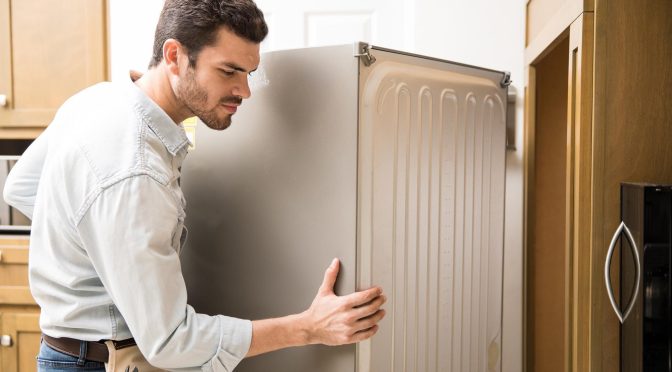
Opening the refrigerator to find warm milk, soft butter or food that no longer feels chilled can quickly disrupt your day. A fridge that stops cooling does not always need replacing, but it does need careful attention, especially when perishable food is involved.
For households dealing with a fridge that does not cool, the first step is to separate simple operating problems from faults that need professional diagnosis. A changed temperature setting, crowded shelves or a door that does not close fully may be easy to correct. Faults involving fans, sensors, compressors or electrical components are different.
This guide explains nine safe checks, what common symptoms might mean, when food should be discarded and when to arrange appliance repairs in Shellharbour.
Why a Refrigerator Can Run Without Cooling Properly?
A refrigerator removes heat from its compartments rather than producing cold air directly. Its cooling system, fans, sensors, door seals and controls must work together to maintain suitable conditions. When one part of that process is disrupted, the appliance may still have lights and make noise while the food compartment becomes too warm.
Sometimes the explanation is straightforward. The door might have been left slightly open, warm groceries may have just been loaded, or ventilation openings may be blocked. Other cases involve failed components that cannot be identified reliably from symptoms alone.
Do not assume that hearing the motor proves the refrigerator is cooling correctly. Equally, a quiet fridge is not necessarily broken: many models cycle on and off during normal operation. Checking actual temperatures provides better evidence than judging sound alone.
Nine Safe Checks When Your Fridge Is Not Cooling
1. Confirm the Temperature Setting
Check the control panel or internal dial against the manufacturer’s instructions. Someone may have accidentally changed a setting, activated a holiday mode or selected a warmer temperature. Allow time for the refrigerator to respond after correcting settings rather than repeatedly changing them.
Use a suitable fridge thermometer to monitor the compartment. For food safety, Australian guidance recommends keeping refrigerated food at 5°C or below. If the appliance cannot maintain a safe temperature, move vulnerable food to reliable refrigeration if possible.
2. Check Whether the Door Closes Properly
Inspect the door for containers, drawers or packages that prevent it from closing. Look along the accessible gasket for food residue, tears or sections that have pulled away from their normal position.
Clean the seal using the method recommended for your appliance, then close the door gently. Do not force a damaged hinge or attempt to realign a heavy door without appropriate help. A poor seal allows warm air inside and can contribute to condensation and excessive running.
3. Make Room for Internal Airflow
Overpacked shelves may restrict airflow between compartments. Check whether food containers are pressed against internal vents or piled so tightly that cooled air cannot circulate.
Rearrange items without leaving perishable food unrefrigerated for longer than necessary. Avoid placing large quantities of hot food directly into the compartment; cool food safely first, following food safety guidance. If cooling remains uneven despite clear vents, internal fan or airflow faults may need investigation.
4. Inspect External Ventilation Clearances
Refrigerators need sufficient ventilation around their cabinet according to the manufacturer’s installation requirements. A unit pushed too close to surrounding cabinetry, or surrounded by stored items, may struggle to release heat effectively.
Check accessible ventilation openings and remove loose obstructions without moving or dismantling the appliance. Required clearances vary across models, so do not rely on one universal distance. If the fridge feels unusually hot or is installed in a tight recess, consult its installation instructions.
5. Look for Unusual Frost or Ice
A small amount of frost may occur in some freezer designs, but thick ice buildup, especially around air outlets, can interfere with cooling. Check whether the freezer has accumulated more ice than usual or whether the refrigerator compartment seems warm while the freezer remains cold.
These symptoms can be associated with airflow or defrost problems, although diagnosis depends on the model. Never chip ice away with a knife or sharp tool. Doing so may damage internal surfaces or refrigerant tubing. Follow the manufacturer’s approved defrosting procedure instead.
6. Note Changes in Fan or Compressor Sounds
Listen for sounds that differ from the appliance’s usual pattern. Repeated clicking, loud rattling or an unfamiliar buzzing noise may be relevant, particularly when cooling has deteriorated.
However, sound alone does not identify a failed compressor. Modern refrigerators use different fan arrangements and variable operating speeds. Write down when the noise occurs and whether it coincides with a temperature change. Avoid removing covers to locate the sound; electrical and moving components should be inspected by trained technicians.
7. Check for Water or Condensation
Water beneath the refrigerator, repeated condensation around the door or unexpected moisture inside compartments may accompany cooling problems. Some moisture can arise from normal use, but persistent pooling deserves attention.
Check whether the door closes and whether visible spills explain the water. Do not reach under a powered appliance or touch a wet plug or outlet. If water is near electrical connections, keep clear and arrange safe isolation. Persistent leaks may involve drainage, seals or other components requiring professional assessment.
8. Confirm Power Without Unsafe Testing
Check whether the display and internal lighting appear normal. If the refrigerator is completely unresponsive, look for a household power interruption or a tripped safety device from a safe position.
Do not repeatedly reset a circuit breaker or use extension leads to work around a suspected fault. If the appliance trips protection devices, emits a burning smell or shows cable damage, stop using it and contact an appropriately qualified professional. A fridge with working lights can still have a separate cooling fault.
9. Monitor the Temperature and Record Symptoms
After completing relevant safe checks, measure the temperature rather than relying on how cold the shelves feel. Note the reading, time, recent door openings and any changes in performance. A thermometer can help distinguish a temporary rise after loading groceries from an ongoing problem.
Do not delay food safety decisions while waiting for a clear diagnosis. If the fridge repeatedly warms or remains above safe temperatures, arrange repair assessment and transfer food to functioning refrigeration where possible.
What Different Cooling Symptoms May Indicate?
Not every refrigerator failure looks the same. These patterns can help explain what information to provide when requesting assistance. They are possibilities, not definitive diagnoses.
| Symptom | Possible Explanation | Sensible Next Step |
|---|---|---|
| Fridge warm, freezer still cold | Restricted airflow, fan or defrost issue | Check vents; request diagnosis if persistent |
| Both compartments warm | Control, compressor or broader cooling fault | Check settings and temperatures; seek assessment |
| Excessive ice or frost | Door sealing or defrost problem | Inspect door; follow approved defrost guidance |
| Repeated clicking | Electrical or starting component issue | Record symptoms; avoid internal testing |
| Water and poor cooling | Door, drainage or related fault | Check visible spills; arrange inspection |
Record useful details before arranging a technician.
When Food Safety Becomes the Priority?
A warm refrigerator is more than an inconvenience. Meat, dairy products, prepared meals and other potentially hazardous foods may become unsafe when stored outside recommended temperatures.
Australian food safety guidance generally advises keeping cold food at 5°C or below. If you do not know how long food has been warm, avoid deciding that it is safe merely because it smells normal. Use applicable food safety advice, including time and temperature rules, when deciding whether to keep or discard it.
Keep doors closed as much as possible during a cooling failure, move appropriate items to another working refrigerator and avoid adding more warm groceries. A repair appointment cannot reverse unsafe food storage. Protecting household members comes before attempting further troubleshooting.
When to Stop Troubleshooting and Book Repairs?
Basic checks are useful when the cause is visible and the appliance remains safe to handle. They are not a substitute for electrical, refrigeration or component testing.
Arrange professional help if the refrigerator cannot maintain a safe temperature, keeps displaying fault codes, develops repeated ice buildup, leaks persistently or makes concerning new noises. Seek urgent qualified help if you notice smoke, sparking, a burning smell or damaged wiring.
For Shell Cove refrigerator repair enquiries, describe the make, model, approximate age and specific symptoms. Mention whether the freezer works, any error messages and the temperature readings you recorded. This information can help a technician plan the assessment without guessing at the cause.
Repair or Replace: How to Make the Decision
A cooling fault does not automatically mean a new refrigerator is necessary. Some problems involve replaceable fans, seals, sensors or controls. Other failures may be expensive or impractical to repair, depending on the appliance’s design and parts availability.
Consider Age, Condition and Repair History
Think about whether the refrigerator was reliable before this failure. A first repair on an otherwise sound appliance differs from repeated breakdowns involving multiple components. Age matters, but it should not determine the decision on its own.
Compare Costs After Diagnosis
Ask what work is proposed, which parts are needed and whether the repair is economically sensible compared with replacement. Consider warranty coverage, expected performance and energy use, but avoid choosing based only on an online description of symptoms. A technician’s diagnosis provides a stronger basis for the decision.
How Tech1 Repairs Supports Shellharbour Households?
Tech1 Repairs provides fridge and freezer repairs and broader household appliance servicing in Shellharbour. Its service page lists cooling failures, temperature fluctuations, excessive frost, fan problems, compressor faults and electronic control issues among the refrigeration problems it assesses.
The company operates locally from Warilla and serves Shellharbour, Shell Cove, Barrack Point, Barrack Heights, Oak Flats and surrounding areas. It provides authorised warranty repairs for eligible brands as well as out-of-warranty repair services, with more than 28 years of industry experience.
When contacting the team, explain the problem and confirm whether your appliance is covered by a manufacturer warranty. Ask about appointment arrangements and any information needed before the visit. Service timing and repair completion depend on technician availability, the diagnosis and any required parts.
Frequently Asked Questions
1. Why is my fridge warm but the freezer still cold?
The compartments may rely on shared airflow, so blocked vents, ice buildup or a fan issue could affect the refrigerator section while the freezer stays colder. Check accessible vents and door closure. Persistent temperature differences require diagnosis.
2. How long should I wait after adjusting the temperature?
Allow the appliance time to stabilise according to its manual, especially after a large grocery load or prolonged door opening. Continue monitoring food temperatures. Do not wait if perishable food is being stored unsafely or the appliance shows danger signs.
3. Can I repair a refrigerator compressor myself?
Compressor and sealed refrigeration system work should be handled by appropriately qualified professionals. Internal electrical testing and refrigerant handling are not suitable household troubleshooting tasks. Request an assessment rather than attempting to replace components yourself.
4. Does coastal air always cause refrigerator problems in Shellharbour?
No. Coastal moisture can contribute to deterioration in certain conditions, but ordinary wear, blocked airflow, damaged seals and electronic faults are also possible. The refrigerator’s symptoms and condition matter more than assuming its location identifies the cause.
5. Does Tech1 Repairs service fridges under warranty?
Tech1 Repairs states that it provides authorised warranty repairs for eligible appliance brands, alongside out-of-warranty work. Confirm the manufacturer, model and warranty status when enquiring because approval and repair arrangements depend on the applicable warranty conditions.
Conclusion
If your fridge is not cooling in Shellharbour, start with safe, observable checks: confirm settings, inspect the door, clear accessible vents and measure the actual temperature. Those steps may reveal a simple issue and help explain persistent symptoms accurately.
Protect food safety throughout the process, and avoid opening electrical panels or refrigeration components. When cooling remains unreliable, professional diagnosis can establish whether repair is practical and which work is needed.
For local assistance, contact Tech1 Repairs through its Shellharbour appliance repairs page to discuss the symptoms and available service options.