

Appliance safety compliance is essential when dealing with electrical repairs in New South Wales. Whether it is a refrigerator, washing machine, or dryer, following proper safety standards ensures both performance and user protection. Electrical appliances are complex systems, and even minor faults can lead to serious risks if not handled correctly.
In NSW, strict regulations guide how repairs should be carried out. These standards are designed to protect households, technicians, and properties from electrical hazards. Understanding these rules is important for anyone seeking reliable appliance servicing.
This guide explains the key aspects of appliance safety compliance, including legal requirements, repair practices, and the importance of licensed electrical repair. It also highlights how proper servicing can extend appliance life and improve efficiency.
Understanding Appliance Safety Compliance in NSW
Appliance safety compliance refers to the set of rules and standards that ensure electrical appliances are safe to use after repair or maintenance. These regulations are particularly important in NSW, where safety laws are strictly enforced.
Electrical appliances operate under high voltage and involve sensitive components. Therefore, any repair must meet defined safety benchmarks. Compliance ensures that repaired appliances do not pose risks such as electric shocks, fires, or system failures.
Technicians must follow NSW repair laws when working on appliances. These laws outline how repairs should be performed and what safety checks are required. For example, proper insulation, secure wiring, and correct component replacement are all essential.
In addition, compliance is not just about fixing the issue. It also involves testing the appliance after repair to confirm it meets safety standards. This process ensures that the appliance is safe for everyday use.
Why Licensed Electrical Repair Is Important
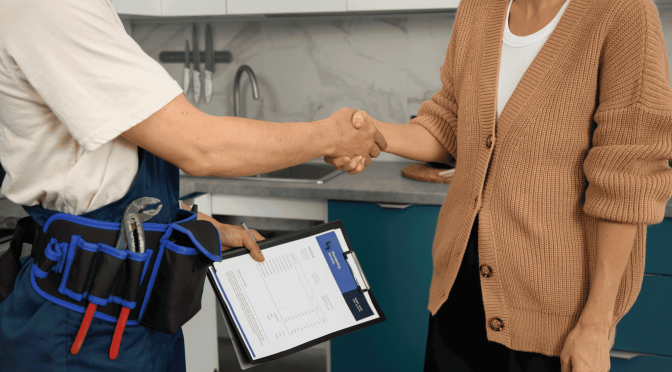
Licensed electrical repair plays a critical role in maintaining safety and compliance. Only qualified professionals are authorised to handle electrical components in major appliances. This ensures that repairs are carried out correctly and safely.
Unlicensed repairs can lead to serious consequences. Improper handling of electrical systems may cause short circuits, overheating, or even fire hazards. In contrast, licensed technicians have the training and experience to diagnose and fix issues accurately.
Here are key reasons why licensed repair is essential:
- Ensures compliance with NSW repair laws
- Reduces risk of electrical hazards
- Guarantees proper testing and certification
- Improves appliance performance and lifespan
- Prevents recurring faults
In addition, licensed technicians follow standard procedures when performing repairs. They use approved tools and replacement parts, which helps maintain the integrity of the appliance.
Key NSW Repair Laws for Electrical Appliances
NSW repair laws are designed to ensure that all electrical repairs meet safety and quality standards. These laws apply to both technicians and service providers.
One of the main requirements is that all electrical work must be carried out by a licensed professional. This rule applies to major appliances such as refrigerators, washing machines, and dryers.
Another important aspect is compliance testing. After repair, appliances must be tested to confirm they are safe to use. This includes checking electrical connections, insulation, and overall performance.
In addition, technicians must follow proper documentation practices. Recording the repair process and test results helps ensure transparency and accountability.
Failure to comply with these laws can result in penalties and safety risks. Therefore, understanding and following these regulations is essential for both service providers and customers.
Common Electrical Issues in Major Appliances
Electrical faults can occur in various forms, depending on the appliance and usage conditions. Identifying these issues early helps prevent further damage and ensures safety.
Some common electrical problems include:
- Faulty wiring or loose connections
- Damaged power cords
- Malfunctioning control boards
- Overheating components
- Short circuits
Each of these issues requires careful diagnosis and repair. For example, a faulty control board may affect the entire appliance operation. Similarly, damaged wiring can lead to intermittent failures or safety hazards.
Technicians performing refrigerator repair service near me or washing machine repair services must follow strict safety procedures. This ensures that all issues are resolved without compromising compliance.
Safety Standards for Refrigerator Repairs
Refrigerators are among the most commonly used appliances, making their safety a top priority. Electrical faults in refrigerators can affect cooling performance and pose safety risks.
When performing fridge service repair near me, technicians must check several key components:
- Compressor connections
- Thermostat functionality
- Electrical wiring integrity
- Insulation resistance
Proper testing ensures that the refrigerator operates safely after repair. In addition, technicians must verify that all components are securely installed and functioning correctly.
Regular maintenance also plays a role in safety. Cleaning coils, checking seals, and inspecting wiring can prevent potential issues. These steps help maintain compliance and improve efficiency.
Safety Considerations for Washing Machine Repairs
Washing machines involve both electrical and mechanical systems. This combination increases the importance of safety compliance during repairs.
Common issues in washing machines include motor faults, control panel failures, and wiring problems. Each of these requires careful handling to ensure safe operation.
Technicians providing washing machine repair services must follow specific guidelines. For example, they must ensure proper grounding and secure electrical connections. They also need to test the appliance under load conditions.
In addition, water exposure increases the risk of electrical hazards. Therefore, insulation and sealing must be checked thoroughly. This prevents moisture from affecting electrical components.
Dryer Repair Safety Standards
Dryers generate heat and rely on electrical systems for operation. This makes safety compliance particularly important.
During dryer repair in dapto, technicians must inspect heating elements, wiring, and ventilation systems. Faulty components can lead to overheating or fire risks.
Key safety checks include:
- Inspecting heating elements for damage
- Ensuring proper airflow
- Checking electrical connections
- Testing temperature controls
These steps help ensure that the dryer operates safely and efficiently. In addition, regular maintenance reduces the risk of future issues.
The Role of Testing in Appliance Safety Compliance
Testing is a crucial part of appliance safety compliance. It ensures that repaired appliances meet all safety standards before being returned to use.
Technicians perform various tests, including:
- Electrical continuity tests
- Insulation resistance checks
- Functional performance tests
- Load testing
These tests help identify any remaining issues and confirm that the appliance is safe. Without proper testing, even a minor fault can go unnoticed.
In addition, testing provides assurance to customers. It confirms that the repair has been completed correctly and that the appliance is safe to use.
Preventive Maintenance for Long-Term Safety
Preventive maintenance is an effective way to ensure long-term appliance safety. Regular servicing helps identify potential issues before they become serious problems.
Here are some key maintenance practices:
- Schedule routine inspections
- Clean internal and external components
- Check electrical connections
- Replace worn-out parts
- Monitor appliance performance
By following these steps, homeowners can reduce the risk of electrical faults. In addition, regular maintenance supports appliance safety compliance and extends the lifespan of appliances.
Choosing the Right Appliance Repair Service
Selecting a reliable repair service is essential for ensuring safety and compliance. Not all service providers follow the same standards, so it is important to choose carefully.
When searching for an appliance repair service near me, consider the following factors:
- Licensing and certification
- Experience with different appliances
- Knowledge of NSW repair laws
- Use of approved tools and parts
- Commitment to safety standards
A qualified technician will follow proper procedures and ensure that repairs meet all compliance requirements. This helps avoid future issues and ensures peace of mind.
The Importance of Awareness for Homeowners
Homeowners play a key role in maintaining appliance safety. Understanding basic safety principles can help prevent accidents and ensure proper usage.
For example, recognising early warning signs such as unusual noises or reduced performance can prompt timely repairs. In addition, avoiding DIY electrical repairs reduces the risk of hazards.
Awareness also includes understanding the importance of licensed electrical repair. By choosing qualified professionals, homeowners can ensure that their appliances are safe and compliant.
Conclusion
Appliance safety compliance is a critical aspect of electrical repairs in NSW. From understanding legal requirements to following proper repair procedures, every step contributes to safe and efficient appliance operation. Licensed electrical repair ensures that all work meets required standards, reducing risks and improving performance.
Regular maintenance and timely repairs help prevent major issues and extend appliance lifespan. Whether it is a refrigerator, washing machine, or dryer, following safety guidelines is essential for long-term reliability.
If you want dependable and compliant appliance repair solutions, Tech1 Repairs is here to help. Our team focuses on safe, professional service for all major household appliances. Contact Tech1 Repairs today to ensure your appliances meet NSW safety standards and operate at their best.
FAQs
1. What is appliance safety compliance?
Appliance safety compliance refers to meeting all required safety standards during and after electrical repairs. It ensures that appliances are safe to use and free from hazards. Compliance involves proper repair methods, testing, and adherence to regulations.
2. Why is licensed electrical repair necessary?
Licensed electrical repair ensures that technicians have the skills and knowledge to handle complex systems safely. It reduces the risk of electrical hazards and ensures compliance with NSW repair laws. This helps protect both the appliance and the user.
3. How often should appliances be serviced?
Appliances should be serviced regularly to maintain safety and performance. Annual inspections are generally recommended. Regular maintenance helps identify issues early and ensures compliance with safety standards.
4. What are common signs of electrical faults in appliances?
Common signs include unusual noises, reduced performance, overheating, and frequent power issues. These symptoms may indicate wiring problems or component failure. Professional diagnosis is needed to confirm the issue.
5. Can I repair electrical appliances myself?
DIY electrical repairs are not recommended, as they can be unsafe and may not meet compliance standards. Licensed technicians follow proper procedures and ensure safe repairs. It is always best to rely on professional services for electrical work.