


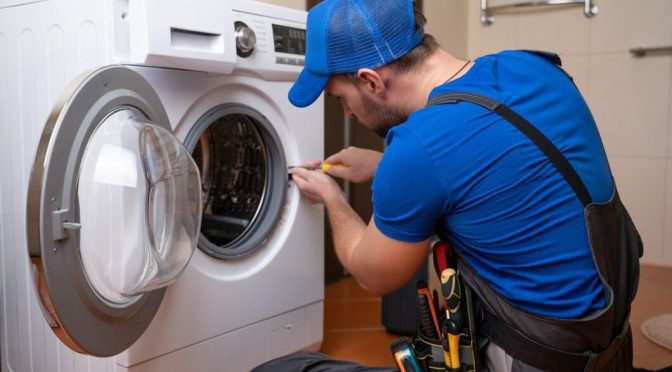
Washer drum diagnostics is an essential process used to identify problems inside a washing machine. When the drum starts to fail, it affects cleaning performance, causes noise, and can damage other components. Understanding how technicians diagnose these issues helps you act early and avoid costly repairs.
Many people begin searching for washing machine repair near me when they notice unusual sounds or poor washing results. These early signs are often linked to drum issues. In this guide, we explain how technicians inspect, test, and diagnose drum failure in a simple and clear way.
Washing machines are used almost every day, which means wear and tear is unavoidable over time. Small problems inside the drum can build up and lead to bigger faults if left unchecked. By understanding how these issues develop, you can take action early and avoid unexpected breakdowns. This also helps you make better decisions when choosing washing machine repair services or seeking expert support.
Understanding the Role of the Washing Machine Drum
The washing machine drum is where all the cleaning action happens. It rotates to wash, rinse, and spin clothes. Because it operates during every cycle, it experiences regular wear and tear.
During washer drum diagnostics, technicians assess how the drum works with other parts such as the motor, belt, and bearings. These components must work together smoothly for proper performance. If one part fails, it can affect the drum’s movement.
A well-functioning drum should spin evenly and quietly. If it becomes unstable or noisy, it is usually a sign of a deeper issue. People who use washing machine repair services often discover that early diagnosis helps prevent bigger faults.
Understanding the drum’s role helps you recognise problems sooner. It also explains why proper care and timely maintenance are important.
Key Functions of the Drum
- Spins clothes during wash cycles
- Removes water during spin cycles
- Keeps clothes moving evenly
- Works with internal components
- Maintains balance at high speed
Common Signs of Drum Failure
Drum failure often shows clear warning signs. These signs may start small but can become serious if ignored. That is why washer drum diagnostics should be done as soon as possible.
Technicians look for both sound and movement changes. Many homeowners notice these issues before contacting a washing machine appliance repair service. Paying attention to these signs can help you avoid further damage.
Different symptoms can point to different causes. For example, noise may indicate bearing problems, while poor spinning may relate to the belt or motor.
Common Warning Signs
- Loud banging or grinding noise
- Excessive vibration during spin
- Drum not spinning properly
- Water leaking from the machine
- Clothes remaining wet after washing
Initial Inspection Process
The first step in washer drum diagnostics is a basic inspection. Technicians begin by checking the outside of the machine to identify simple issues.
They make sure the machine is placed on a level surface. An uneven position can cause shaking and noise. Fixing this can sometimes solve the problem without further repair.
Next, they run a short cycle to observe the drum in motion. This helps them listen for unusual sounds and watch how the drum behaves.
This step is commonly used by professionals offering washing machine repair services. It provides a clear starting point and helps guide further inspection.
What Technicians Check First
- Machine balance and position
- External damage or loose parts
- Noise during operation
- Drum movement during cycles
- Signs of leaks
Internal Component Examination
If the issue is not obvious, technicians move to internal checks. This is a key stage in washer drum diagnostics. It involves opening the machine to inspect internal parts.
They check the drum for cracks, dents, or wear. Even small damage can affect performance. They also inspect how the drum is supported inside the machine.
Loose or worn supports can cause the drum to move unevenly. This leads to vibration and noise. Technicians ensure all components are secure and in good condition.
This step helps identify the exact cause of the issue. It ensures the correct repair solution is applied.
Components Checked Internally
- Drum surface and condition
- Mounting supports
- Internal fittings
- Signs of wear or rust
- Drum alignment
Checking Drum Bearings and Seals
Bearings and seals are common causes of drum problems. During washer drum diagnostics, technicians always inspect these components carefully.
Bearings allow the drum to spin smoothly. Over time, they can wear out and create noise. Seals protect the bearings from water damage. If a seal fails, it can lead to corrosion.
A bearing replacement service is often required when these parts fail. This repair helps restore smooth operation and reduces noise.
Fixing bearing issues early prevents further damage to the machine. It also improves overall performance.
Signs of Bearing and Seal Issues
- Loud rumbling noise
- Rough drum movement
- Rust or moisture near the drum
- Water leakage
- Reduced spinning performance
Evaluating Drum Alignment and Balance
The drum must stay balanced during operation. If it becomes misaligned, it can cause vibration and noise. This is an important part of washer drum diagnostics.
Technicians rotate the drum by hand to check its movement. They also observe it during a spin cycle. Any wobbling indicates a balance issue.
Misalignment is often caused by worn suspension parts. These parts help keep the drum stable. If they fail, the drum cannot move correctly.
People searching for washing machine repair near me often report these symptoms. Fixing alignment early helps prevent further damage.
Indicators of Alignment Problems
- Drum wobbling
- Uneven spinning
- Strong vibration
- Noise at high speed
- Drum sitting off-centre
Motor and Belt Assessment
The motor and belt are responsible for turning the drum. If either part fails, the drum will not spin properly. That is why they are checked during washer drum diagnostics.
The belt connects the motor to the drum. If it becomes loose or worn, the drum may slip. Technicians inspect it for damage or stretching.
The motor is also tested to ensure it works correctly. If it struggles, the drum may stop or spin slowly.
Technicians use this step to determine whether the issue is mechanical or electrical. This helps guide the repair process.
What Technicians Look For
- Belt condition and tension
- Motor performance
- Smooth drum rotation
- Signs of overheating
- Electrical faults
Testing Under Load Conditions
Testing the machine with clothes inside provides a more accurate diagnosis. A washing machine may work fine when empty but fail under load.
During washer drum diagnostics, technicians run a full cycle with a normal load. This helps them observe how the drum performs in real conditions.
They monitor noise, vibration, and spinning efficiency. Any irregular behaviour helps identify the problem.
This step ensures that the diagnosis reflects actual usage. It also helps determine the best repair solution.
Observations During Load Testing
- Drum stability with load
- Noise levels
- Spin performance
- Water drainage
- Overall behaviour
Identifying the Need for Bearing Replacement Service
In many cases, worn bearings are the main issue. A bearing replacement service can restore the drum’s smooth movement.
Technicians recommend this service when there is ongoing noise or rough operation. Replacing bearings improves performance and prevents further damage.
The process requires proper tools and experience. That is why it is always handled as part of professional repair.
Many homeowners choose this solution after searching for washing machine repair near me when noise becomes severe.
When Bearing Replacement is Needed
- Continuous loud noise
- Hard drum movement
- Visible wear
- Poor washing results
- Frequent imbalance
Determining Repair vs Replacement
After completing washer drum diagnostics, technicians decide whether to repair or replace parts. This depends on the level of damage.
Minor issues such as loose parts can be repaired easily. However, major damage may require replacing the drum or other components.
Technicians consider the machine’s condition and performance. Their goal is to provide a long-term solution.
This step helps avoid repeated problems and ensures reliable operation.
Factors Considered
- Extent of damage
- Condition of parts
- Machine performance
- Repair history
- Long-term reliability
Preventive Maintenance Tips
Regular maintenance can reduce the need for washer drum diagnostics. Simple care helps keep your washing machine in good condition.
Cleaning the drum and avoiding overload are important steps. These reduce strain on internal parts.
Routine checks can also help detect small issues early. Many users of washing machine repair services avoid major repairs by following these habits.
Good maintenance improves performance and extends the life of the machine.
Maintenance Tips
- Clean the drum regularly
- Avoid overloading
- Listen for unusual noise
- Check for leaks
- Schedule inspections
Why Professional Repair Matters
Washer drum diagnostics requires skill and proper tools. Attempting to fix issues without knowledge can cause more damage.
Professional repair ensures accurate diagnosis and safe handling of parts. Technicians follow a structured process to fix problems effectively.
They also ensure correct installation of replacement parts. This improves performance and prevents future issues.
Choosing a reliable washing machine appliance repair service helps maintain your appliance for long-term use.
Benefits of Professional Repair
- Accurate diagnosis
- Safe repair process
- Proper installation
- Better performance
- Fewer future issues
Conclusion
Washer drum diagnostics is essential for identifying and fixing washing machine problems early. From basic checks to detailed testing, technicians follow a step-by-step process to find the cause. Each stage helps ensure the right repair is carried out.
Ignoring drum issues can lead to bigger problems and reduce the life of your appliance. Acting early not only prevents damage but also keeps your machine running efficiently. Regular maintenance further reduces the risk of unexpected faults.
If your washing machine is making unusual noise or not performing as it should, it is best to get it checked without delay. Tech1 Repairs provides reliable washer drum diagnostics, expert bearing replacement service, and dependable solutions through professional repair. Contact Tech1 Repairs today for trusted washing machine repair services and keep your appliance working smoothly.
FAQs
1. What is washer drum diagnostics?
Washer drum diagnostics is a process used to find problems in the washing machine drum. Technicians inspect and test different parts to locate the issue. This helps ensure the correct repair is done. It also improves overall performance.
2. What causes washing machine drum failure?
Drum failure is usually caused by worn bearings, damaged seals, or misalignment. Overloading and regular use can also lead to problems. These issues affect how the drum spins and balances. Early detection helps prevent further damage.
3. How do I know if my drum bearings are faulty?
You may hear loud noise or feel rough drum movement. The machine may not spin properly during cycles. In some cases, rust or leaks may appear. These signs show that a bearing replacement service may be needed.
4. Can a washing machine drum be repaired?
Yes, small issues can often be repaired. However, serious damage may require replacement. A technician can inspect the machine and suggest the best option. Proper repair ensures long-term use.
5. When should I call a professional for repair?
You should call a professional when you notice noise, vibration, or poor performance. These signs usually indicate internal issues. Early repair can prevent bigger problems. It also ensures safe and effective operation.